

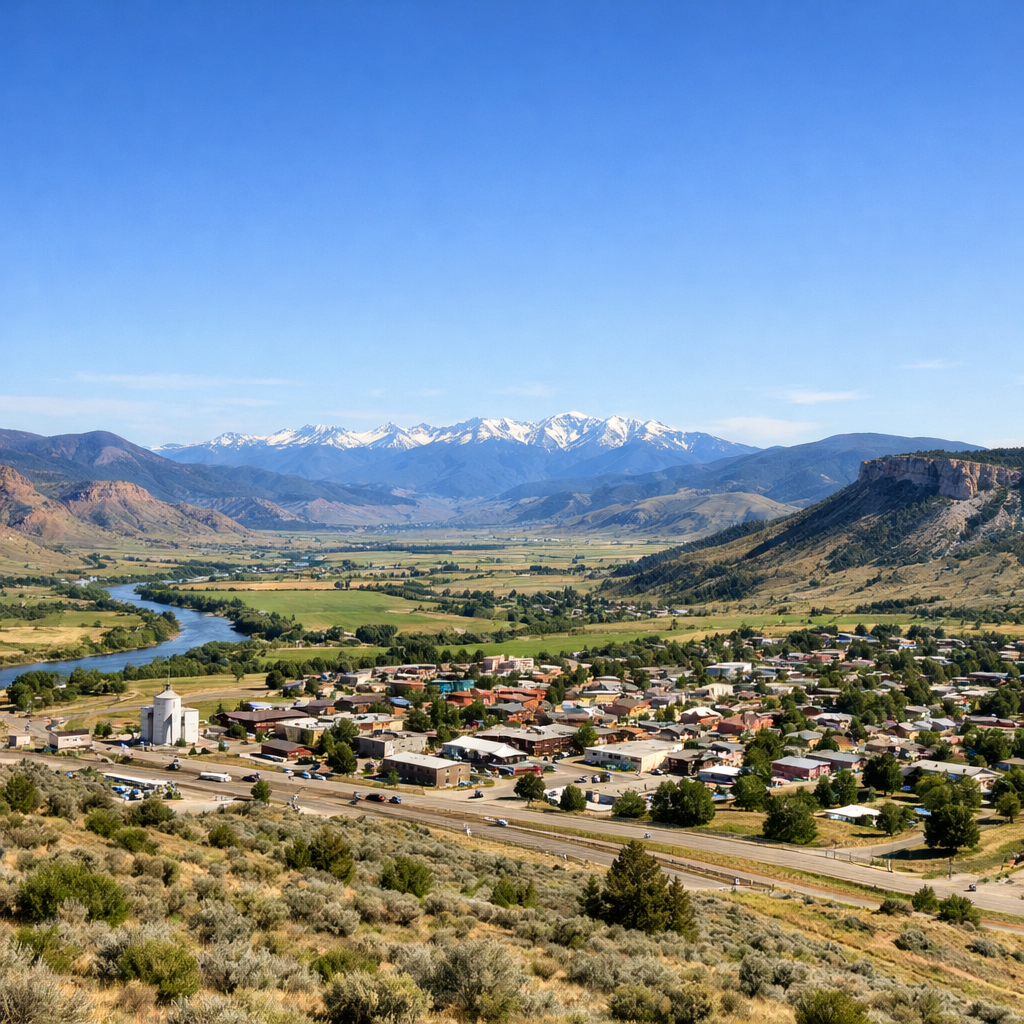
Kremmling, Colorado, nestled at an elevation of 7,313 feet, experiences a continental climate characterized by distinct seasonal variations. Understanding these patterns is essential for both residents and visitors to make the most of what the area offers throughout the year.
Seasonal Temperature Variations
The town’s climate features warm, dry summers and cold, snowy winters. Average temperatures fluctuate significantly between seasons:
- Summer (June to September): Daily high temperatures average above 71°F, with July being the warmest month, averaging a high of 81°F and a low of 44°F.
- Winter (November to February): Daily high temperatures average below 39°F, with January being the coldest month, averaging a low of 4°F and a high of 29°F.
These variations highlight the need for appropriate clothing and preparation, whether you’re planning summer hikes or winter sports.
Precipitation and Snowfall
Kremmling receives an average annual precipitation of approximately 15.3 inches. Snowfall is a significant component of this, especially during the winter months, contributing to the area’s appeal for winter sports enthusiasts.
Environmental Considerations
Recent environmental assessments have identified concerns regarding water quality. The Kremmling Water System has reported contaminants exceeding health guidelines, including arsenic levels at 250 times above the Environmental Working Group’s Health Guideline. While these levels are within legal limits, residents are encouraged to stay informed and consider appropriate water filtration measures.
Additionally, the Bureau of Land Management has initiated efforts to reduce hazardous fuel loads, primarily from beetle-killed trees, on public lands in Grand County. These measures aim to mitigate the risk of catastrophic wildfires and promote forest health.
Conclusion
By understanding Kremmling’s climate and environmental factors, residents and visitors can better prepare for seasonal activities and contribute to the community’s well-being. Staying informed about local environmental initiatives and water quality reports is crucial for maintaining a healthy and safe environment for all.