

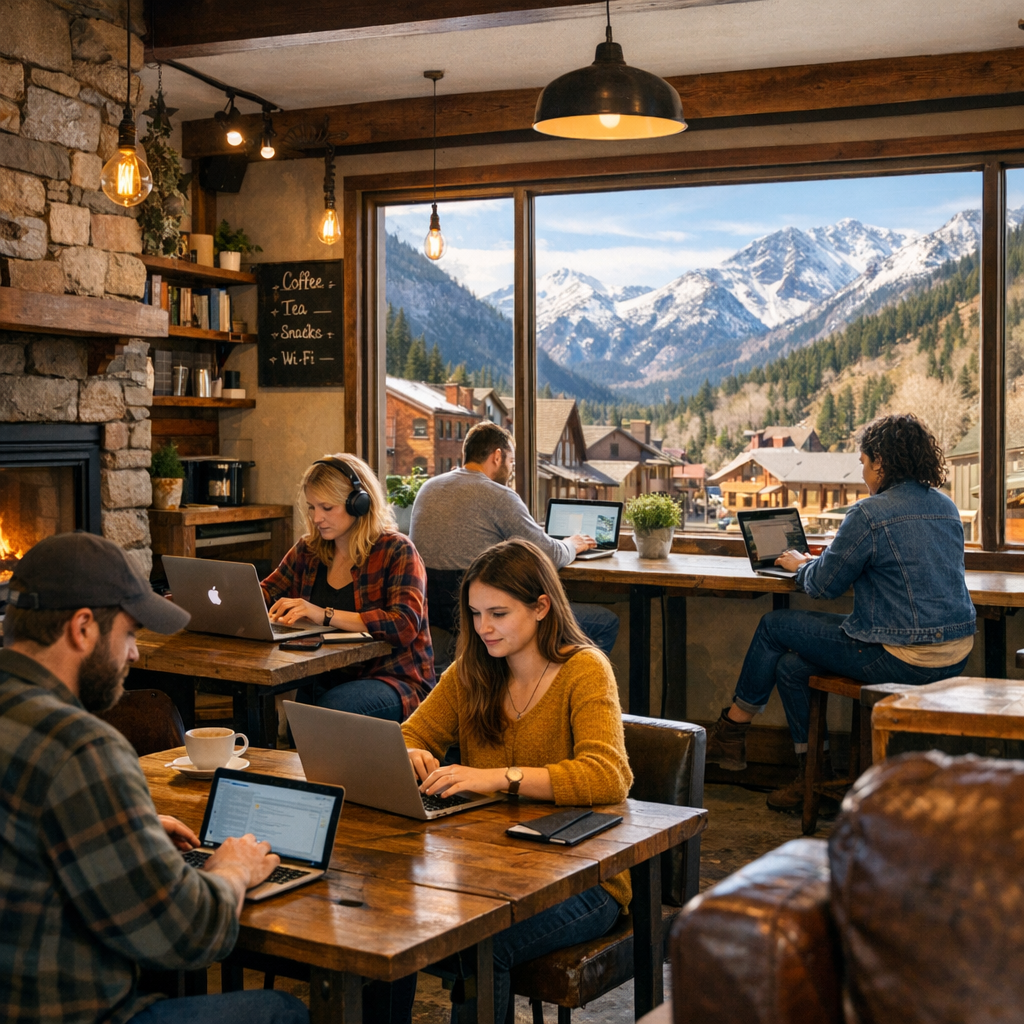
When I think about daily life here in Kremmling, what strikes me most is how technology—once seen as something distant and specialized—is turning into a tool that touches nearly every corner of our small-town routines. Whether it’s an AI-powered app helping ranchers, remote work redefining where people live, or local entrepreneurs building businesses of tomorrow, tech is changing what’s possible out here in the mountains.
Remote Work: More Than Just an Option
One of the biggest shifts has been the rise of remote work. With faster internet becoming more accessible, professionals who used to have to commute to Denver or Grand Junction are finding they can put Kremmling or similar towns on their resume—and mean it. It isn’t just about escaping city traffic; folks are finding value in shorter commutes, lower housing costs, and being closer to nature.
The influx of remote workers brings ripple effects: new demand for reliable broadband, more places where people can cowork, and even shifts in what local businesses sell—from hardware stores offering tools for home offices to cafés with better coffee and Wi-Fi.
AI, Smart Tools, and Everyday Life
AI isn’t just for tech labs anymore. Out here, people are using AI tools to monitor forest health, predict wildfire risk, and manage water for irrigation—all essential in mountain climates. For example, state efforts are using AI analysis to map areas of high wildfire danger, which influences everything from building practices to evacuation plans.
Local schools and youth groups are also feeling the effects. Generative AI tools are helping students access learning resources, especially when qualified teachers are scarce. But there’s a catch: there’s a digital divide. Rural areas tend to lag behind in adoption, meaning people without solid connectivity or tech training can be left out.
Startups Rooted in Rural Strengths
Colorado has seen a growing number of tech startups emerging outside the Front Range—places like Durango, Grand Junction, and towns along the Western Slope are among them. These companies often combine traditional regional strengths—agriculture, energy, outdoors—with innovations in software, sensors, and sustainability.
There’s also intentional work being done to support founders in these places. Programs aimed at connecting rural entrepreneurs, providing mentorship, and offering small grants are helping bridge the gap between big-city funding and local potential.
Challenges & Considerations
None of this is without friction. Broadband gaps still persist, and those can hamper everything from education to business scaling. Utilities and infrastructure in mountain terrain are expensive to build and maintain. Also, as more people move in or adopt tech-intensive lifestyles, there are tensions around preserving character and affordability.
Finally, as AI becomes more pervasive, questions around privacy, bias, and fairness become more than abstract—they affect how services are delivered locally, who gets access, and what power dynamics emerge.
What’s Next for Communities Like Kremmling
I see potential in town leaders and residents leaning into what makes rural Colorado special: the strong tradition of self-reliance, the closeness of community, and the natural environment. When paired with thoughtful technology adoption, those strengths can become launching pads for sustainable growth.
That might mean pursuing grants for reliable broadband, hosting tech-education workshops, encouraging local startups—especially those solving mountain-specific challenges—and cultivating remote worker hubs. Doing so could bring talent back, offer new business models, and help us stay resilient in the face of change.
Ultimately, technology doesn’t have to mean turning our rural towns into copies of the city. It means weaving new tools into everyday life—making life here more connected, more creative, and more capable of shaping our own futures.